By Cooper Wakefield, Refresh Sports Editorial — Last updated August 31, 2026 · 6-minute read

To learn how to boo your neighbors, keep it simple: secretly leave a Halloween basket, include a “We’ve been booed” sign, and ask that family to pass the surprise to 1 or 2 more homes. For kids, the best baskets mix a small toy, a fall snack, stickers, and one porch-night activity.
Quick Links
- What are the rules for the Boo basket?
- When do you give a Boo basket?
- What to put in a Boo basket for a kid?
- What are some affordable ideas for a Boo basket?
- What are some good Halloween gifts that are not candy?
- Frequently Asked Questions
What are the rules for the Boo basket?
The rules for the Boo basket are: choose a neighbor, build a small Halloween basket, leave it anonymously, include a note and a “We’ve been booed” sign, then invite them to boo 1 or 2 more homes. Keep the chain optional, friendly, and easy to finish within 48 hours.

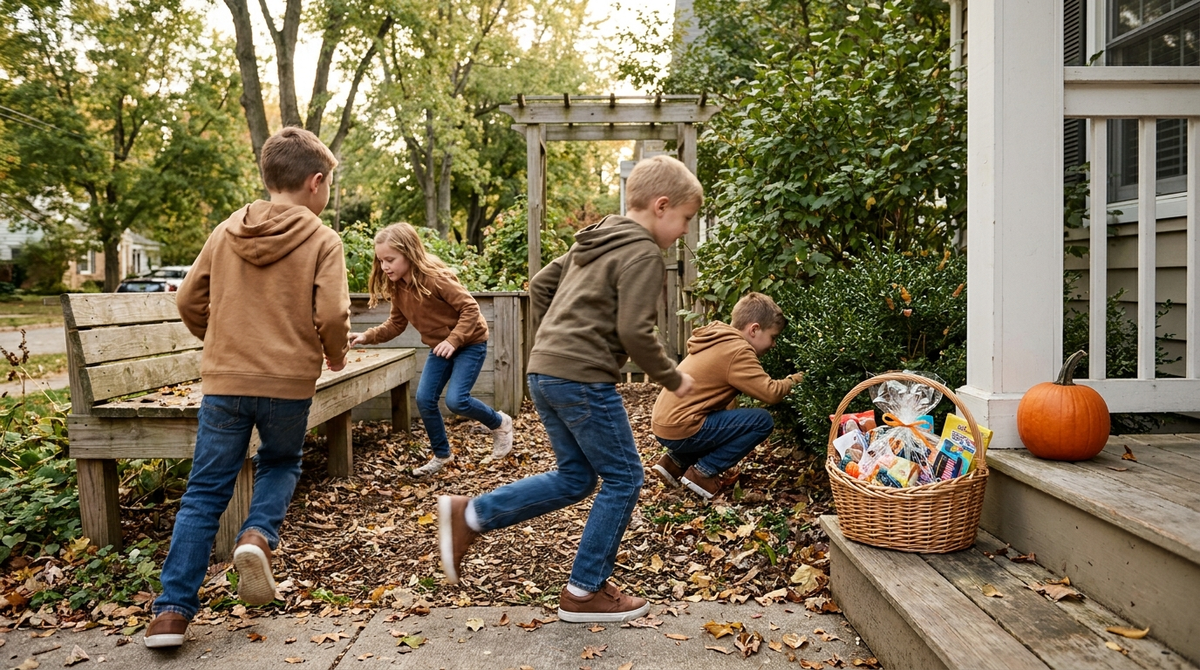
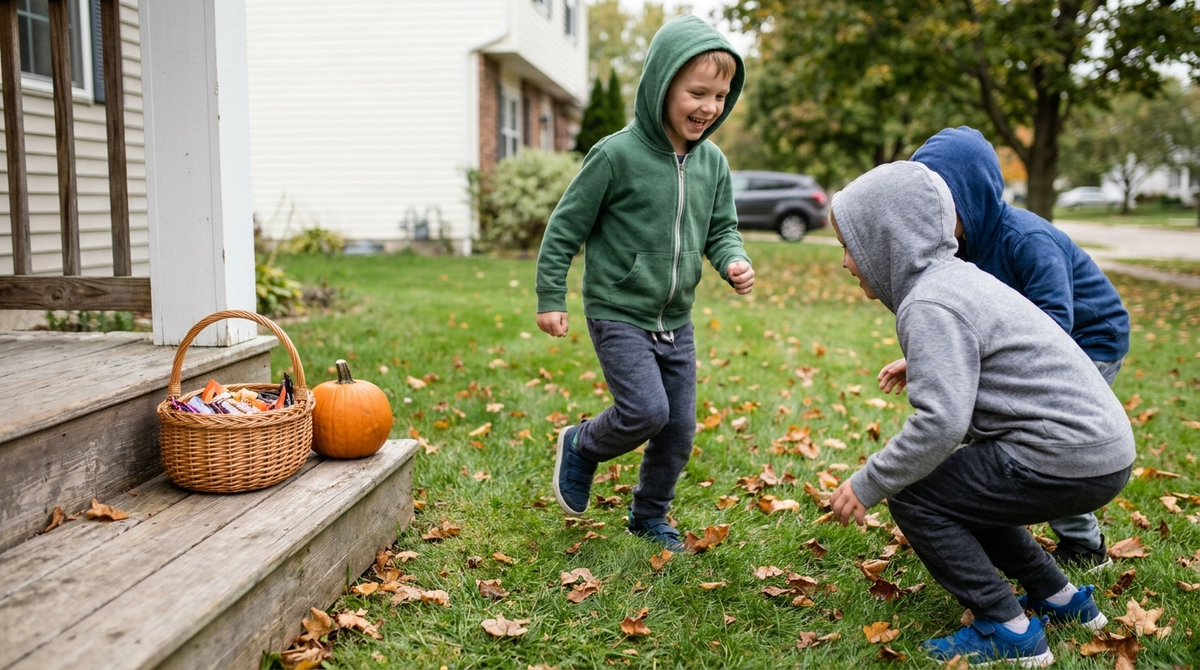
A good Boo drop feels like Halloween mischief, not another school form hiding in the backpack. The basket lands on the porch, the dog barks at the window, somebody spots the pumpkin note, and the kids get the job of figuring out who did it.
The cleanest version runs like this:
- Pick 1 or 2 nearby homes, ideally families with kids or neighbors who like Halloween.
- Fill a small basket, bucket, paper bag, or plastic cauldron.
- Add a note that says they have been booed.
- Add a window sign so other families know that house has already been picked.
- Ask them to boo 1 or 2 more homes within 48 hours.
- Keep it anonymous unless the kids are too excited to hold the secret for even 12 minutes.
One rule matters if younger siblings live there: follow package age labels and avoid little parts that can disappear into a couch cushion. HealthyChildren’s toy-safety advice says age labels account for choking risk and a child’s physical and mental abilities, so that label should win over how cute a tiny filler looks in the basket when choosing toys.
The note does not need to be fancy. “You’ve been booed. Put this sign in your window, then surprise 2 more neighbors by October 20” is enough. Tape the sign to the note, tuck both where the parent will see them, and leave the basket beside the door.
When do you give a Boo basket?
Give a Boo basket in the first half of October, usually after dinner and before the last costume-week crunch hits. October 1 to 15 gives families time to pass it along, while the final week before Halloween works better for a single close-neighbor surprise.

By early September, stores are already stacking pumpkins, but a neighbor Boo basket lands better once porches actually look like Halloween. The sweet spot is the first warm-ish October evening when the leaves are down, the plastic skeletons are out, and kids are still excited about the idea of sneaking across the lawn.
For Halloween 2026, which falls on Saturday, October 31, the weekend before will already be busy with parties, school events, and costume repairs. A Boo chain started around October 5 has room to move through 6 to 12 houses without turning the whole block into a late-month scramble.
Timing changes by neighborhood:
- For a cul-de-sac, Sunday after dinner works because families are usually home.
- For apartments, Friday evening can be easier because the route is shorter and the drop-off stays inside one building.
- For a close friend, any October weekend morning works if the surprise is meant for the kids, not the whole street.
- For a classroom friend, send it home before the week of Halloween so it does not collide with party bags.
If the house has a baby, a loud dog, or a bedtime routine you can set your watch by, skip the doorbell. A quiet porch drop and a quick parent text keeps the surprise intact without turning 7:45 p.m. into a hallway stampede.
What to put in a Boo basket for a kid?
A kid’s Boo basket usually needs 4 parts: one small toy, one activity, one snack or drink pouch, and one Halloween piece they can wear or stick somewhere. For families who want less sugar, swap candy for glow sticks, sidewalk chalk, flying discs, sticker sheets, or mini notebooks.

The fastest basket to build is not the biggest one. It is the one a kid can tear into before dinner and still use after the candy wrappers are gone. A black paper bucket with orange tissue, a glow bracelet, a snack bag, and a toy that heads outside will beat a crowded basket full of plastic bits that break by bedtime.
Build around how that kid actually plays. A craft-focused kid will burn through stickers, chalk, bubbles, and a pumpkin cup. A kid who cannot leave a ball alone will care more about a toss toy, a foam flyer, or a flashlight scavenger card. If you do not know the child well, choose fewer moving parts and something easy to share.
Refresh Sports toys fit the basket when the goal is to get the gift out of the kitchen and into the yard. The Refresh Sports Mini Glider™ Foam Airplane works for that after-school launch session in the park. The Refresh Sports Soft Flyer® Fabric and Foam Disc is easy to tuck beside a snack pouch for a backyard toss. The Refresh Sports Sticky Baseball Paddle Toss & Catch Game gives two kids something to do while the grown-ups are still answering the door.
For a full non-candy build, keep the whole basket useful: one outdoor toy, one craft, one glow item, and one cozy fall thing like cider mix or Halloween socks. Our non-candy Boo basket walks through that version with less sugar and fewer throwaway fillers.
What are some affordable ideas for a Boo basket?
Affordable Boo basket ideas start with a $5 to $10 container and 3 to 5 useful fillers instead of one oversized toy. Cute and affordable ideas for a boo basket include orange tissue paper, Halloween pencils, glow bracelets, a small ball, washable tattoos, apple cider packets, and a handwritten challenge card.

A Boo basket does not need to look like a birthday haul. The point is the porch surprise. A paper lunch bag with a ghost face, two sheets of stickers, a snack, and a glow stick still gets the squeal at the door.
Here are 3 budget shapes that hold up:
- Around $8: paper bag, orange tissue, Halloween stickers, glow bracelet, popcorn pack, and a note.
- Around $15: small bucket, chalk, bubbles, a snack pouch, pumpkin straw cup, and a street scavenger card.
- Around $25: reusable basket, one active toy, one craft kit, cozy socks, cocoa packet, and 2 glow items for trick-or-treat night.
If the basket is for siblings, spend on the shared thing first. A two-player toy from our toy bundles, a sidewalk chalk pack, or a yard game gets more use than 3 separate novelty items. Then fill the empty spaces with tissue paper, folded Halloween napkins, or a rolled pair of socks.
Cute does not have to mean delicate. Kids are going to dump the basket on the rug, sort it with sticky fingers, and lose at least one spider ring under the couch. Choose fillers that survive the dump.
What are some good Halloween gifts that are not candy?
Good Halloween gifts that are not candy are things kids can use right away: glow sticks for the walk, stickers for the water bottle, a soft toss toy for the yard, a mini craft, a pumpkin flashlight, or a simple game that sends them outside before dinner.
Non-candy gifts work best when they feel like Halloween, not homework. A pencil is fine. A pencil tied to a little “draw a monster” card is better. Chalk is fine. Chalk with a driveway ghost challenge gives the kids a reason to run out before the sun drops.
Active gifts also earn their space. The CDC says children ages 3 to 5 should be active throughout the day, and ages 6 to 17 need at least 60 minutes of physical activity daily, so a Boo basket can nudge kids toward a quick toss, chase, jump, or race while the October air still has some warmth in it with age-based activity guidance.
A few easy non-candy picks:
- Glow sticks or glow bracelets
- Halloween socks
- Sticker sheets
- Sidewalk chalk
- Mini notebooks
- Temporary tattoos
- Pumpkin straw cups
- Small craft kits
- Foam flyers or soft discs
- Toss-and-catch games
For baskets that lean active, our newest toys are good for kids who want something to throw, chase, or launch. For a bigger neighborhood family with 2 or 3 kids, our most popular toys for kids can help turn the Boo basket into something that still gets used after Halloween bins go back downstairs.
Frequently Asked Questions
The fastest Boo-basket questions usually come up while the kitchen table is covered in tissue paper and somebody is hunting for tape. Keep the answers short: choose useful fillers, pad the bottom, avoid overpacking, and make the handoff clear enough that the next family can keep the chain moving.
What do you normally put in a boo basket?
A normal Boo basket has a Halloween note, a “We’ve been booed” sign, a few treats, and 2 or 3 small gifts. For kids, the most useful mix is one snack, one glow item, one sticker or craft item, and one toy that can be used outside.
What stuff do you put in a Boo basket?
Put in stuff kids will actually touch before the week is over: glow bracelets, chalk, Halloween socks, sticker sheets, a small drink, popcorn, a soft flying toy, a mini craft, or a simple game. If the basket is for siblings, include one shared activity so nobody is counting pieces on the floor.
What is a good basket filler?
A good basket filler is something that adds height without eating the budget. Use orange tissue paper, black crinkle paper, folded napkins, a clean bandana, a rolled pair of socks, or a Halloween tea towel. Put the useful gifts on top so the basket looks full without hiding everything.
What to put in the bottom of a gift basket for fillers?
Put bulky, light fillers in the bottom: tissue paper, shredded paper, a folded towel, napkins, or a small box turned upside down under the tissue. That little lift keeps the good stuff visible, especially in deep buckets where stickers and glow sticks sink to the bottom.
What can I pass out instead of candy?
You can pass out glow sticks, stickers, pencils, bubbles, bouncy balls, bookmarks, stencils, mini notebooks, or small toys instead of candy. HealthyChildren lists several non-edible Halloween treats like glow sticks, stickers, bubbles, and bookmarks, which can be especially useful for classrooms and families managing food allergies during Halloween.